Tab 03

History of Medicine

Asklepios the healing god, his serpent staff and his temple at Aigeai: the coins of Cilicia speak where the written sources of medical history fall silent. Running from Tahberer's master's thesis to his lectures, this line brings two disciplines to the same table.

Asklepios on ancient Cilician coins

Completed at Çukurova University's Institute of Medical Sciences under Professor İlter Uzel (2003–2005), the master's thesis follows the representations of Asklepios on the coins of the Cilician cities one by one: the god's serpent staff, his daughter Hygieia, Telesphoros at his side, and the festival issues struck in his name. The thesis appeared as an article in Belleten in 2005 and is open on Academia with an English summary.

Aigeai: the Asklepieion of Cilicia

Aigeai, at today's Yumurtalık, housed a famous temple of Asklepios in the Roman period; its coins show the temple, the god and the goat (aix) that gave the city its name. Tahberer's “The Temples of Asklepios” (The Celator, 2007) and his presentation “Asklepios and the Representations of His Cult on Ancient Coins” (2018) read temple architecture from coins, from Epidauros to Pergamon and Aigeai.

The coin as a source for medical history

His Turkish essay on “the importance of ancient coins and numismatic literature in the study of the history of medicine” explains why the numismatic literature is indispensable to medical historians: the iconography of healing gods, the location of healing centres, commemorative issues of plague years. In 2004–2005 Tahberer taught the history of medicine in the Classical period, Mesopotamia, Egypt and Hittite Anatolia at Çukurova University's History of Medicine department; in 2007 he gave “Medicine from Ancient Coins” at UBC.

A note on method

In an essay preserved in the sandanart archive, written after attending a history-of-medicine symposium, he observes that historical research must go beyond encyclopaedic knowledge and that claims must be supported by several kinds of source — “the Roman Empire did not collapse overnight from an epidemic; it lived on for centuries after those periods.” That rigour is the backbone of his readings in medical history as well.
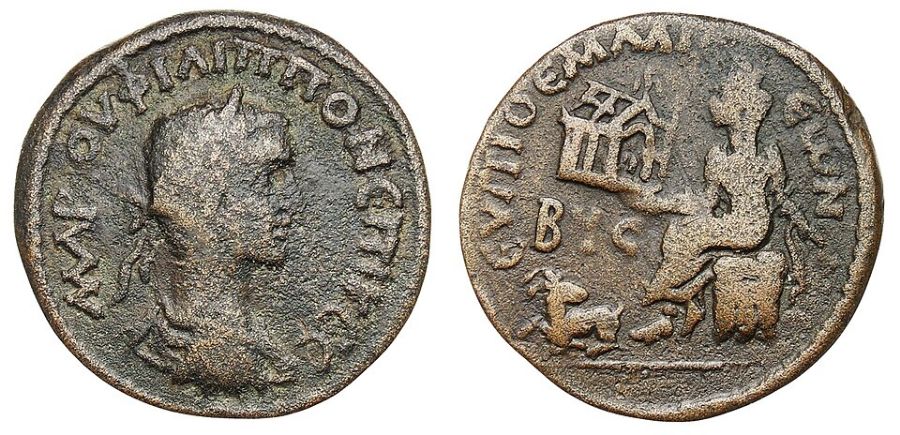
Coin of Aigeai (Yumurtalık) — centre of the Asklepios cult in Cilicia
Coin of Aigeai (Yumurtalık) — centre of the Asklepios cult in Cilicia — Wikimedia Commons, Onlinesammlung der Staatlichen Museen zu Berlin: 2373817 · Reinhard Saczewski (public domain)

Related courses and talks

  • Çukurova University, History of Medicine — Classical, Mesopotamian, Egyptian and Hittite medicine (2004–2005)
  • UBC Continuing Studies — “Medicine from Ancient Coins” (2007)
  • Vancouver Ancient Coin Club and Pacific Ancient Numismatists — “Asklepios as represented on coins” (2006–2012)
  • 3rd National Congress of Medical Ethics, Bursa — “The Reflection of the Cultural Values of the Roman World on Coins” (2003)
2018Talk / Presentation

ASKLEPIOS AND THE REPRESENTATIONS OF HIS CULT ON ANCIENT COINS-2018

Talk / Presentation · English · 45 pages

From the author's abstract

As the healing god, Asklepios (L.: Aesculapius) was one of the most popular deities of the classical period. His temples were erected in many cities where worshippers visited and made offerings when they needed his help for their ailments. Various medical and surgical as well as spiritual treatments were offered in some of his temples that brought considerable revenue to its city. The modern hospital concept was first initiated in Asklepios worship and treatmlent centres.

~2016Paper

Asklepios ve Antik Sikkelerde Sağlık Tanrısı İnancı

Paper · Turkish · 16 pages

From the author's abstract

Sağlık Tanrısı Asklepios ve onun çevresinde oluşan inanç ve söylenceler yüzyıllar boyunca geniş bir coğrafyada saygı görmüş, adına tapınaklar ve sağlık merkezleri kurulmuştur. Kimi Asklepieionlar olasılıkla yetenekli hekimlerin öncülüğünde kurulurken bir çoğunun şifalı su kaynakları yakınında kurulduğu dikkat çekmektedir. Bu çalışmada Asklepios inancının doğuşu ve sikkelerdeki ilk tasvirleri anlatıldıktan sonra, Anadolu'da basılmış Asklepios ve söylencesi ile ilgili sikke tasvirleri ele alınmıştır.

~2014Paper

Tıp Tarihi Araştırmalarında Antik Sikkeler ve Sikke Literatürünün Önemi

Paper · Turkish · 10 pages

From the author's abstract

Bu çalışmanın çıkış noktası, Antik Kilikia Sikkelerinde Asklepios konulu bir makale çalışmamı aşırmakla kalmayıp bilimsel verilere dayanarak yaptığım açıklamaları keyfi bir şekilde yorumlayan bir intihalcinin yarattığı yanlış anlaşılmalara son vermek olmuştur. Bahsi geçen kişi Ç.Ü.’de tıp tarihi yüksek lisansı yaptığı sırada aşırdığı çalışmamı tahrif ettikten sonra birkaç tıp tarihi bilgi şöleninde bildiri olarak sunmuştur. Burada bilimsel araştırma yöntemlerini hiçe sayarak kafadan atma şeklinde yapılan yorum ve tahrifatlardan örnekler verip yapılan tahrifatı düzeltmek amaçlanmaktadır.